



Benefits of Custom Web Application Development
In today's digital landscape, web application development stands as a cornerstone for businesses aiming to thrive online. Custom web app solutions offer tailored functionalities that align perfectly with specific business needs, enhancing efficiency and user engagement. As a leading web development company, we specialize in creating robust web applications that drive results. This article delves into the advantages of custom web development, integrating modern web technologies and best practices for 2024.
Why Choose Custom Web Application Development?
Custom web application development provides businesses with unique advantages over off-the-shelf solutions. By focusing on web application development, companies can achieve scalability, security, and performance tailored to their operations. For instance, a retail business might need a custom e-commerce platform that integrates seamlessly with inventory systems, unlike generic tools that often fall short.
Enhanced Scalability and Flexibility
One key benefit is the ability to scale web apps as your business grows. In 2024, with the rise of cloud services like AWS and Azure, custom web development allows for elastic scaling. Imagine a startup building a SaaS application using Node.js; it can handle increased traffic by auto-scaling resources, ensuring downtime is minimal.
- Utilize containerization with Docker for easier deployment and scaling.
- Incorporate microservices architecture to break down monolithic apps into manageable parts.
- Leverage serverless computing for cost-effective, on-demand resources.
This approach not only reduces costs but also improves ROI by aligning development with business goals. Professional web development ensures that your web app services are future-proof, adapting to evolving market demands.
Improved Security Measures
Security is a top concern in web application development. Custom solutions allow for implementing advanced protocols like OAuth and encryption standards. For example, when developing a financial web app, we integrate HTTPS and regular security audits to protect sensitive data.
Practical example: In a recent project, our team used React for the frontend and Express.js for the backend, incorporating JWT for authentication. This setup prevented common vulnerabilities like SQL injection through parameterized queries in database design.
- Conduct penetration testing as part of CI/CD pipelines.
- Apply Agile methodologies to iterate on security features quickly.
- Ensure compliance with regulations like GDPR for data protection.
By prioritizing web app security, businesses can avoid costly breaches and build trust with users.
Key Technologies Driving Web Development Services
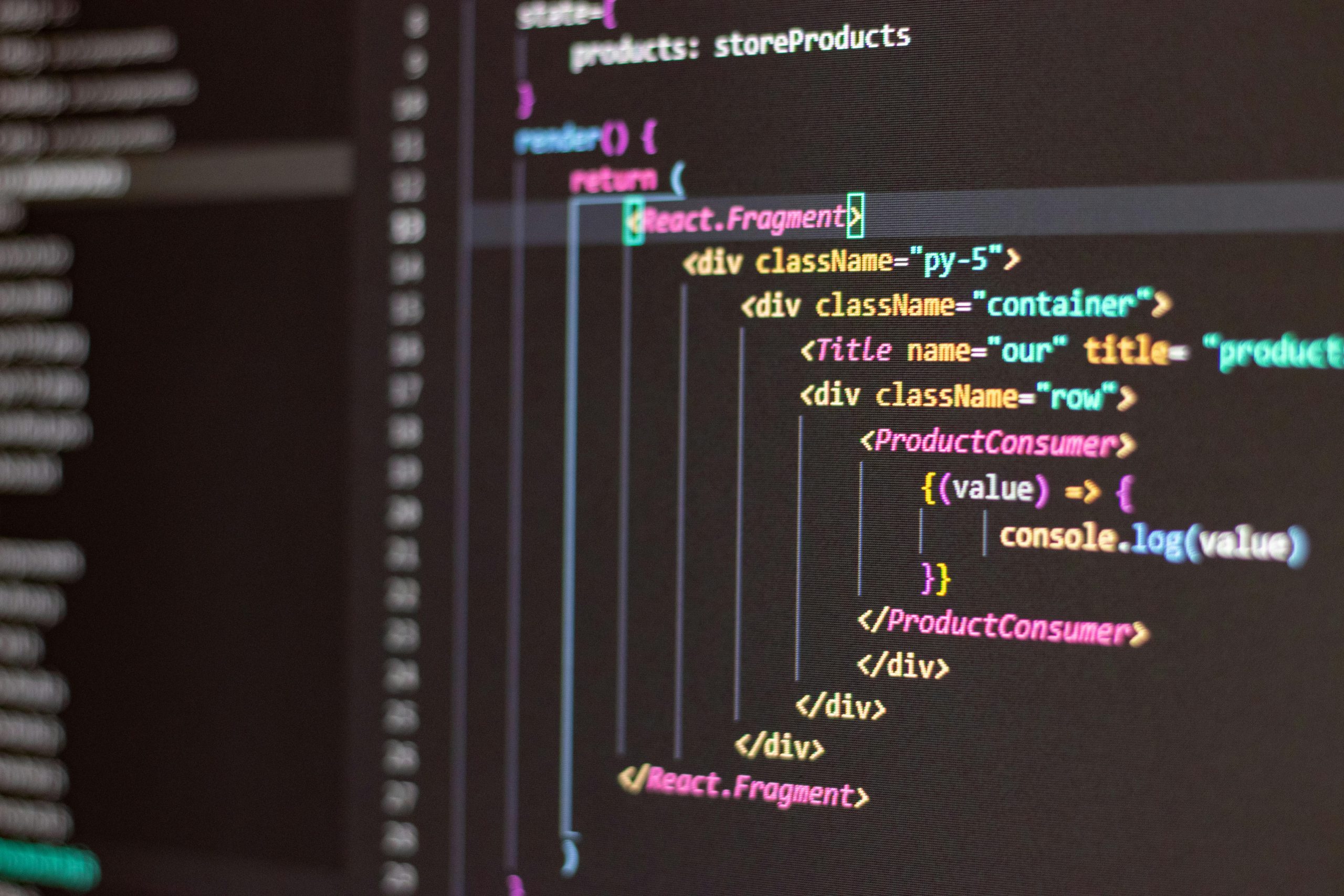
Modern web technologies are at the heart of successful custom web app projects. Frameworks like React, Vue.js, and Angular enable dynamic user interfaces, while backend technologies such as Node.js and Python power efficient server-side operations.
Frontend Frameworks for Responsive Web Design
Responsive web design ensures your web app performs seamlessly across devices. Using React, developers can create components that adapt to different screen sizes, enhancing user experience on mobile and desktop.
For instance, in building a progressive web app for a client, we employed Vue.js to deliver offline capabilities and fast load times. This not only improved performance but also boosted engagement by 30% in user metrics.
- Start with a mobile-first approach to prioritize core functionalities.
- Use CSS media queries for adaptive layouts.
- Integrate service workers for caching and offline access.
Backend and Full-Stack Development
Full-stack development combines frontend and backend expertise for comprehensive web app services. Node.js excels in handling real-time data, making it ideal for applications like chat features or live updates.
A practical example involves API development with Python's Django framework, where we created RESTful APIs that connect to databases like PostgreSQL. This setup supports scalable web architecture, allowing for easy data retrieval and updates.
- Implement ORM tools for efficient database design and queries.
- Adopt DevOps practices for automated deployments.
- Monitor performance with tools like New Relic to optimize response times.
Best Practices and Industry Trends for 2024
As we navigate 2024, best web development practices emphasize sustainability and innovation. Trends like AI integration and low-code development are reshaping how to build web applications. web offers insights into these advancements.
Adopting Agile and DevOps Methodologies
Agile methodologies accelerate development cycles, allowing teams to deliver iterative updates. Combined with DevOps, this ensures continuous integration and deployment, reducing time-to-market.
For a e-commerce client, we used Agile sprints to refine features, resulting in a 25% faster launch. Testing strategies, including unit and integration tests, guarantee reliability.
| Methodology | Benefits |
|---|---|
| Agile | Flexible adaptation to changes |
| DevOps | Streamlined collaboration and deployment |
Performance Optimization and User Experience
Optimizing performance involves minimizing load times and enhancing UX. Techniques like lazy loading and code splitting in React can reduce initial load by up to 50%.Professional web development focuses on mobile-first design, ensuring accessibility and inclusivity. For ROI, businesses see increased conversions through better user retention.
Case Studies and Real-World Applications

Real-world examples highlight the impact of custom web app services. A healthcare provider partnered with us for a patient management system using Angular and Node.js, improving data accuracy and reducing errors by 40%.Another case involved a startup's SaaS platform, where we implemented scalable web architecture with microservices, handling peak loads without issues.
Addressing Common Concerns: Cost, Timeline, and Maintenance
Clients often worry about costs and timelines in web application development. Our approach uses modular development to control budgets, with projects typically completing in 3-6 months. Maintenance plans ensure long-term scalability and security updates.
- Estimate costs based on scope and technology stack.
- Use prototyping to align on timelines early.
- Offer ongoing support for seamless updates.
Future Outlook and Call to Action
Looking ahead, trends like Web3 and AI-driven web apps will dominate. Embracing these in custom web development positions businesses for success. Ready to elevate your digital presence? Contact our experts for professional web development services today. web
In summary, investing in web application development yields measurable benefits, from enhanced security to superior user experiences. Partner with us to turn your vision into reality.